Kinds of Digital Marketing: How To Choose the Right Type
It is no secret that choosing the right digital marketing strategy is vital for any business aiming to succeed online. So I’m putting this guide in your hands to clarify things and show you how SEO, PPC, SMM, and content marketing can transform your digital presence.. By the end of this article, you will be able to make an informed decision on how to implement these strategies to achieve your business goals, increase traffic, and improve ROI.
So get ready to explore the most common digital marketing types, their pros and cons, and when to use them for maximum impact. Plus to discover powerful strategies that will attract your ideal customers and drive real growth to your business.
Main Kinds of Digital Marketing
In a highly competitive market where the customer is becoming more demanding, and a click can do many things, there’s no one-size-fits-all solution. The right strategy depends on your business goals, target audience, and available resources. Understanding each type is key to knowing how it can help your business grow. Here’s a closer look at the different kinds of digital marketing:
- PPC (Pay-Per-Click Advertising)
- Content Marketing
- SMM (Social Media Marketing)
- Email Marketing
- Influencer Marketing Affiliate Marketing
- SEO (Search Engine Optimization)
- Mobile Marketing
What is Search Engine Optimization (SEO)?
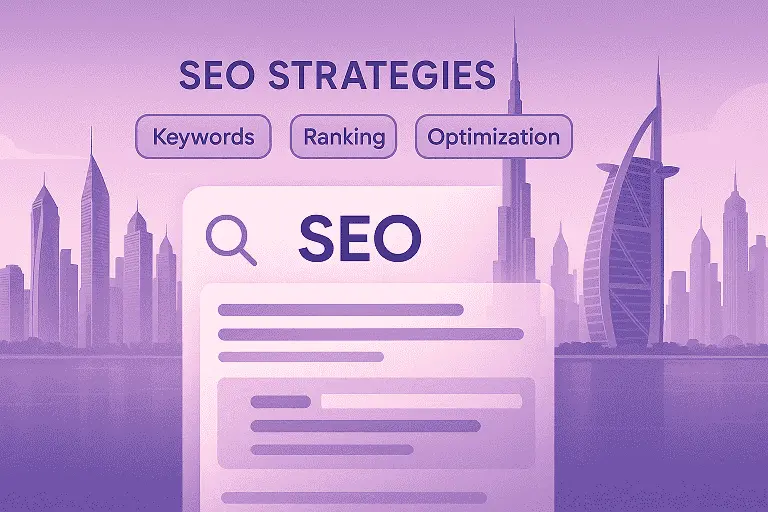
SEO (Search Engine Optimization) is the art of optimizing your website to get higher search engine rankings, increasing organic traffic and boosting your website visibility. This includes enhancing on-page elements, building quality backlinks, and improving technical aspects to make your site a reliable source for relevant search queries.
What exactly is SEO and How Does it Work?
SEO is the process of optimizing your website and content so that it ranks higher on search engine results pages (SERPs) like Google. SEO works by improving your website’s on-page elements (content, images, headings, etc.), off-page elements (backlinks), and technical aspects (site speed, mobile-friendliness) to help search engines recognize your site as a reliable source of information. It aims to increase organic traffic to your website without paying for ads, which makes it one of the most cost-effective marketing strategies.
When Should You Use SEO?
If you are looking for long-term growth, SEO is the strategy to focus on. It works best for businesses aiming to improve their search engine rankings gradually over time. Unlike paid advertising, SEO provides sustainable growth and attracts a steady stream of organic visitors who are genuinely interested in your products or services. SEO is perfect for businesses looking to build brand authority and credibility over time.
Why Should You Choose SEO for Your Business?
SEO is vital for businesses looking to increase their visibility online. By ranking higher on search engine results pages (SERPs), you make it easier for potential customers to find your site. SEO also helps increase credibility, as users tend to trust organic results more than paid ads. SEO is a long-term investment that provides consistent traffic and leads over time, making it one of the most sustainable marketing strategies available.
Pros and Cons of Using SEO-optimized content in business
Pros of using seo:
- Long-term, sustainable growth without ongoing advertising costs
- Improves brand credibility and trust
- Helps your website become visible to users who are actively searching for what you offer
Cons of using seo:
- Results can take months to achieve
- Requires continuous effort and updates to stay ahead of competitors
Quick Tip for using seo:
Start by focusing on your website’s technical SEO. Improve page speed, optimize images, and ensure your website is mobile-friendly to lay a solid foundation for your SEO strategy. For detailed insights on how to optimize your website, check out our guide on SEO Optimized Websites in Dubai.
What is PPC and How Does it Benefit Your Business?
Pay-Per-Click (PPC) is an advertising model where businesses pay a fee every time their ad is clicked. This model is often used on search engines (like Google Ads) or social media platforms (like Facebook Ads). PPC helps businesses appear on top of search engine results pages or within social media feeds immediately after launching the campaign, making it ideal for companies that need instant visibility.
When Should You Use PPC?
PPC is perfect when you need immediate traffic or have a time-sensitive promotion or product launch. If you want to reach a specific audience quickly, PPC allows you to bid for keywords that target particular customer segments, making it an efficient way to drive relevant traffic to your website. However, once the ad budget runs out, so do the results, which is why it’s best to complement PPC with other strategies like SEO for long-term growth.
Why Should You Choose PPC for Your Business?
PPC is an excellent choice if your business needs fast results or you’re promoting a specific product or event. The beauty of PPC is that it provides immediate visibility on search engines or social media platforms, which can drive targeted traffic to your website. It’s also highly measurable, so you can easily track your ROI and adjust your campaigns accordingly.
Pros and Cons of Choosing PPC for Businesses
Pros of Choosing PPC
- Instant visibility and traffic
- Highly targeted ads based on keywords, location, demographics, etc.
- Results are measurable and trackable, offering real-time data
cons of Choosing PPC
- Can get expensive, especially if bidding on high-competition keywords
- Results stop immediately after you stop paying for the ads
Quick Tip for PPC ads
Start with a small budget and test different keywords and ad formats. Refine your ads based on performance to get the most out of your PPC campaigns. For further guidance on PPC and SEO, check out our SEO tools and website audit guide.
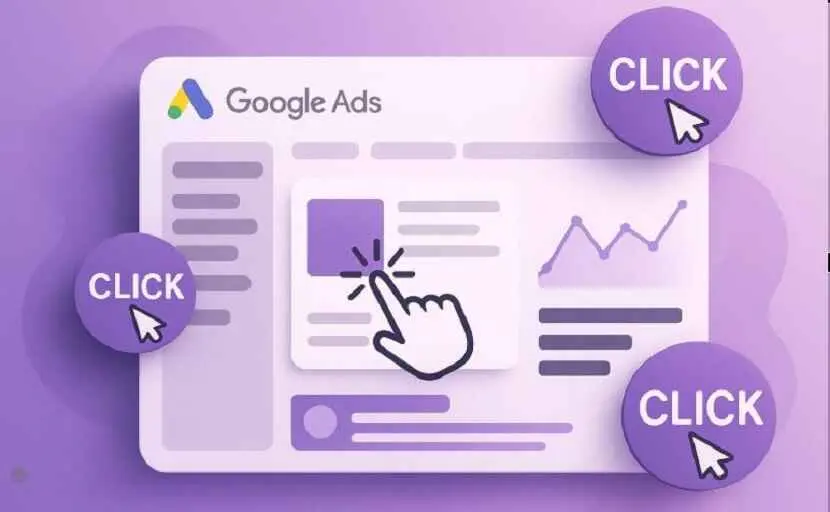
Pay-per-click ads driving immediate results and traffic for your business.
What is Social Media Marketing (SMM) and How Does It Work?
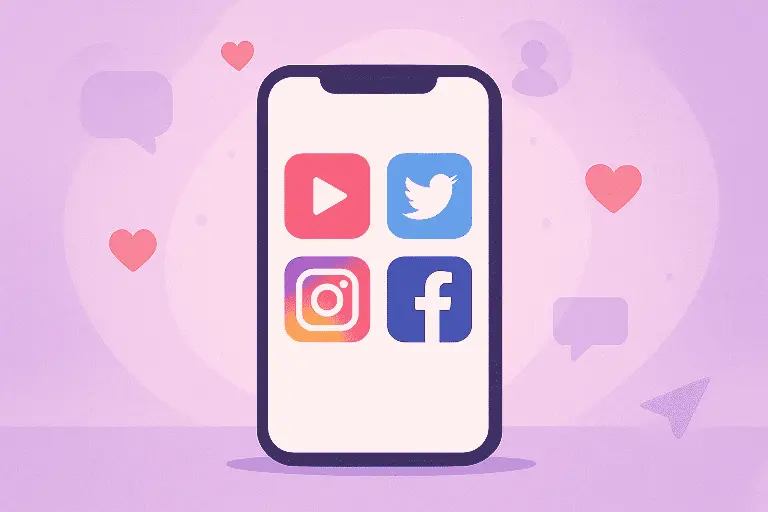
Social Media Marketing (SMM) involves using platforms like Facebook, Instagram, LinkedIn, and Twitter to promote your business, connect with customers, and share your content. It can include organic social media posts, paid social media ads, influencer marketing, and user-generated content. SMM is a powerful tool for building brand awareness, engaging with your audience, and driving traffic to your website.
When Should You Use social media marketing (SMM) ?
SMM is ideal for businesses that want to build a community around their brand and engage directly with customers. Whether you want to increase brand awareness, run targeted ads, or engage in influencer marketing, SMM is a flexible strategy that suits businesses of all sizes. It’s particularly useful for consumer-focused businesses but can also work for B2B companies if used strategically.
Why Should You Choose SMM for Your Business?
SMM helps your business stay connected with customers. It provides an interactive space to showcase your brand’s personality, engage in real-time conversations, and create valuable relationships with your audience. Social media also allows for organic engagement, meaning your customers can become ambassadors for your brand and help spread your message to a larger audience.
Quick and direct interaction with the public, raises thE ROI It increases customer trust and loyalty even more.
Pros and Cons of SMM
Pros of SMM:
- Real-time engagement with your audience
- Builds brand loyalty and trust
- Provides an opportunity for viral content that can boost visibility
Cons of SMM:
- Requires consistent content creation and management Can take time to build a large, engaged following
Quick Tip for using SMM
Pick one or two social media platforms that align with your target audience and focus on creating high-quality, engaging content. Start building a community by interacting with your followers regularly. For more details, check out our personal branding in Arab markets article.
Building brand loyalty through social media marketing strategies in Dubai.
What Makes Content Marketing Different?
As we usually say, “Content is king,” Simply because Content marketing creates valuable, engaging content, building trust and authority. This strategy drives organic traffic and long-term customer loyalty by providing useful information, distinct from direct advertising.
Content Marketing Explained
Content marketing focuses on creating valuable, relevant content to attract and engage your target audience. Unlike traditional advertising, content marketing involves providing useful information, such as blog posts, videos, infographics, or eBooks ,etc… The goal is to help your audience solve problems, answer questions, and meet their needs while subtly promoting your brand.
When Should You Use Content Marketing?
If you’re looking to be the guru in your niche and build long-term relationships with your audience, content marketing is the best way. It’s particularly effective for businesses that want to nurture leads over time and develop trust with potential customers.
Why Should You Choose Content Marketing for Your Business?
In simple words, Content marketing offers a respectful way to connect with your audience by providing value upfront, which helps attract organic traffic to your website. Moreover, By regularly producing helpful, informative content, you set your business as a leader in your field and guarantee long-term customer loyalty.
Pros and Cons of Content Marketing
Pros of Content Marketing
- Establishes authority and trust with your audience
- Attracts organic traffic through valuable content
- Supports other strategies like SEO and social media marketing
Cons
of Content Marketing
- Time-consuming, requires regular content creation
- Results may take time to materialize
Quick Tip for using content marketing
Focus on creating evergreen content that answers your audience most common questions. This will provide value long after it iss published. For more content marketing tips, check out our AI tools for content creation guide.
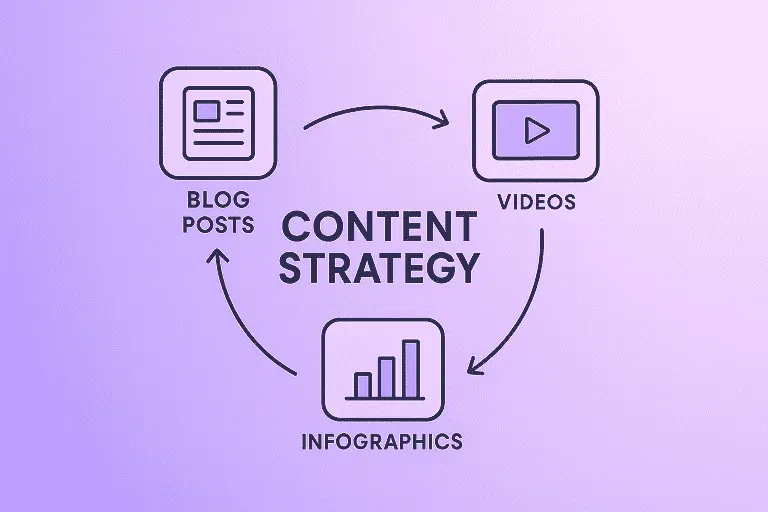
Leveraging content marketing for long-term business growth and audience engagement.
Conclusion
Choosing the right type of digital marketing is a strategic decision that depends on your business goals, target audience, and available budget. Whether you want to drive organic traffic with SEO, get immediate visibility with PPC, or build brand loyalty with SMM and content marketing, understanding your options will help you make the right choice. Focus on the type that fits your current needs, and then continue to adjust and refine your strategy over time.
FAQs
What is the most cost-effective digital marketing strategy?
Content marketing and SEO are typically the most cost-effective strategies in the long run.
How do I know if PPC is right for my business?
PPC works best if you need immediate traffic and are prepared to invest in ads.
Is mobile marketing necessary for my business?
If your audience uses mobile devices frequently, mobile marketing is essential.
Sources